
Collagen is one of the most sought-after ingredients in the anti-aging world. From powders stirred into morning coffee to luxurious face creams promising firmer skin, collagen products are everywhere. But when it comes to reducing wrinkles, improving elasticity, and restoring youthful skin, which option works better: collagen supplements or collagen creams?
Let’s break down the science, benefits, and differences to help you decide.
What Happens to Collagen as We Age?
Collagen is the primary structural protein in the skin. It keeps skin firm, smooth, and elastic. However, starting in your mid-20s, collagen production naturally declines. Factors like sun exposure, smoking, stress, and poor nutrition accelerate this process.
The result?
- Fine lines and wrinkles
- Sagging skin
- Dryness and dullness
- Loss of elasticity
This is why collagen replacement or stimulation has become a major focus in anti-aging skincare.
What Are Collagen Supplements?
Collagen supplements are ingestible products typically available as:
- Hydrolyzed collagen powder (collagen peptides)
- Capsules or tablets
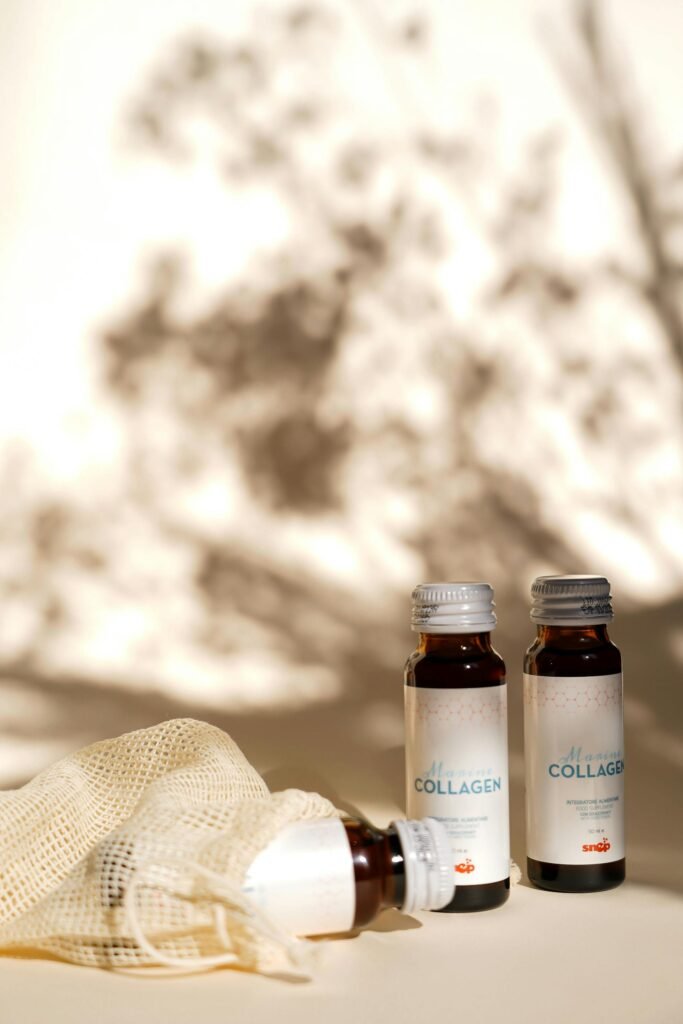
- Liquid collagen shots

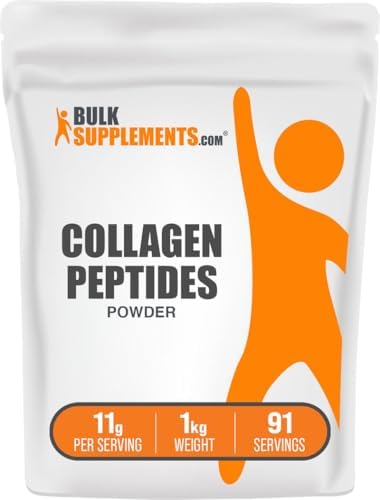

Most supplements contain Type I and Type III collagen, which are the primary types found in skin.
How Collagen Supplements Work
When you consume collagen peptides, they are broken down into amino acids and absorbed into the bloodstream. These amino acids help stimulate your body’s natural collagen production and support skin structure from within.
Benefits of Collagen Supplements
- May improve skin elasticity
- Can reduce wrinkle depth over time
- Improves skin hydration
- Supports hair, nails, and joints
- Provides whole-body benefits
Most research suggests visible skin improvements appear after consistent use for 8–12 weeks.
What Are Collagen Creams?
Collagen creams are topical skincare products applied directly to the skin. They claim to:
- Firm the skin
- Reduce wrinkles
- Improve texture
- Boost hydration
However, there’s an important scientific consideration: collagen molecules are large and typically cannot penetrate deep into the skin.
What Collagen Creams Actually Do
While they may not rebuild collagen internally, they can:
- Deeply hydrate the skin
- Improve surface smoothness
- Temporarily plump fine lines
- Strengthen the skin barrier
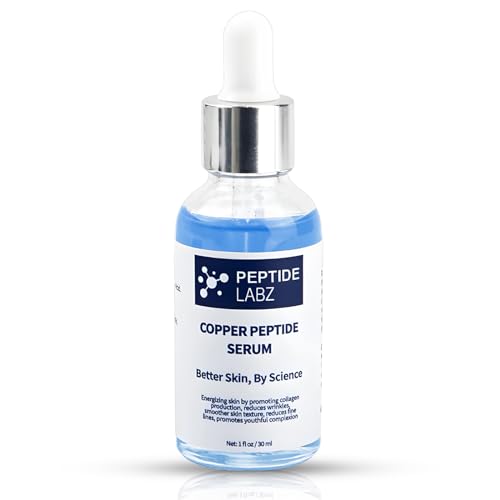
Many effective anti-aging creams also include supportive ingredients like peptides, retinol, vitamin C, and hyaluronic acid.
Collagen Supplements vs. Collagen Creams: Key Differences
| Factor | Collagen Supplements | Collagen Creams |
|---|---|---|
| How they work | Inside-out support | Surface-level hydration |
| Anti-aging impact | Long-term structural support | Temporary plumping effect |
| Time to results | 8–12 weeks | Immediate hydration |
| Extra benefits | Hair, nails, joints | Skin moisture barrier support |
| Best for | Overall skin rejuvenation | Daily skincare routine |
Which Is More Effective for Anti-Aging?
If your goal is long-term wrinkle reduction and improved skin elasticity, collagen supplements generally offer more significant results because they support collagen production from within.
However, collagen creams are excellent for:
- Instant hydration
- Smoother texture
- Supporting other anti-aging ingredients
The truth? They work best together.
The Best Strategy for Younger-Looking Skin
For optimal anti-aging benefits:
- Use a high-quality hydrolyzed collagen supplement daily.
- Apply a collagen or peptide-based moisturizer morning and night.
- Always wear SPF to prevent further collagen breakdown.
- Maintain a balanced diet rich in vitamin C and antioxidants.
A combined inside-and-out approach delivers better results than relying on one method alone.
Are There Any Side Effects?
Collagen supplements are generally safe for most people. However:
- Choose reputable brands
- Avoid products with unnecessary additives
- Consult a healthcare provider if pregnant or managing medical conditions
Topical collagen products are usually safe but should be patch-tested if you have sensitive skin.
Final Verdict
When comparing collagen supplements vs. collagen creams for anti-aging:
- Supplements are better for long-term structural skin improvement.
- Creams are better for hydration and temporary smoothing.
- Using both together provides the most comprehensive anti-aging strategy.
If you’re serious about reducing wrinkles and maintaining youthful skin, supporting collagen production internally while protecting and hydrating externally is the smartest approach.
